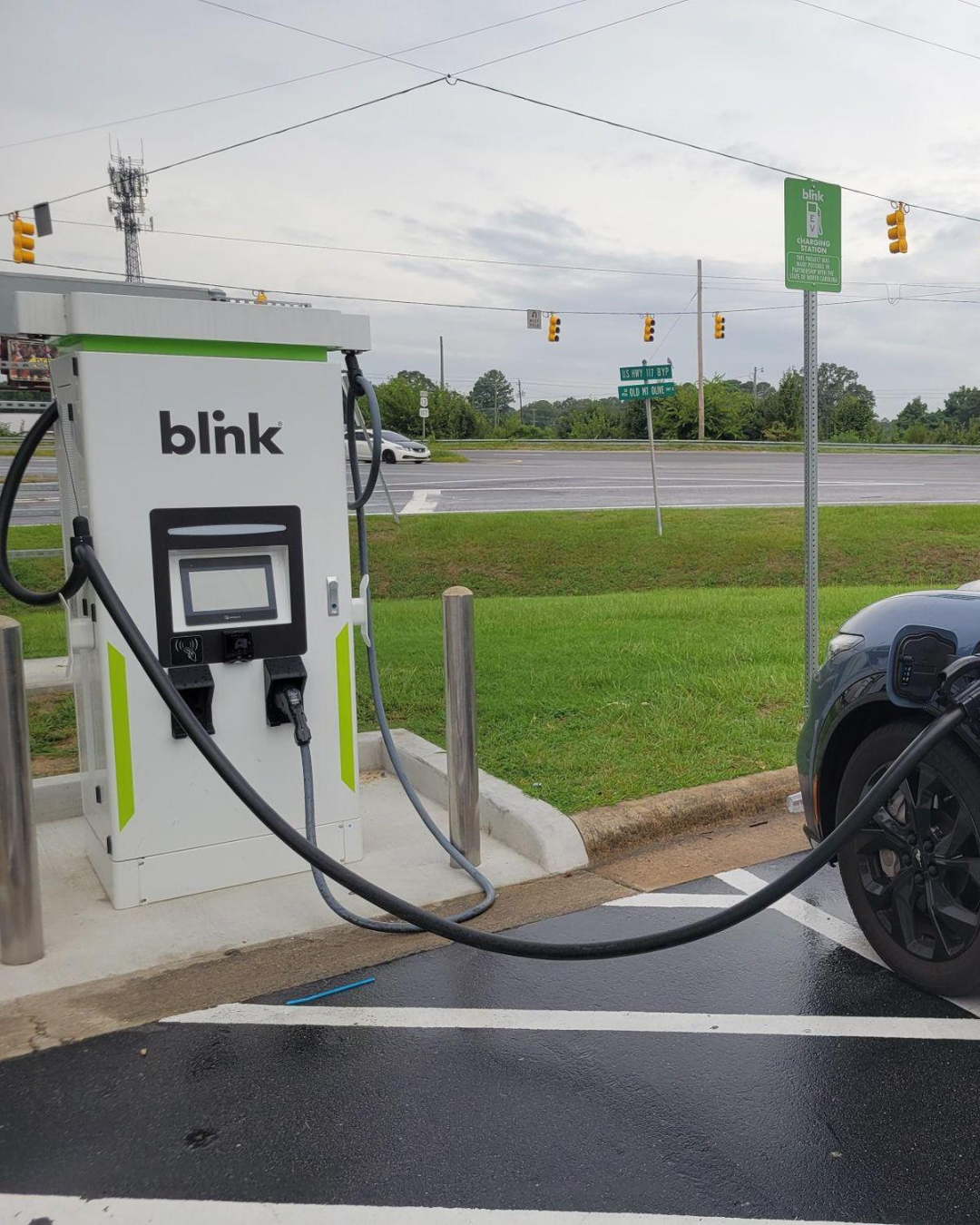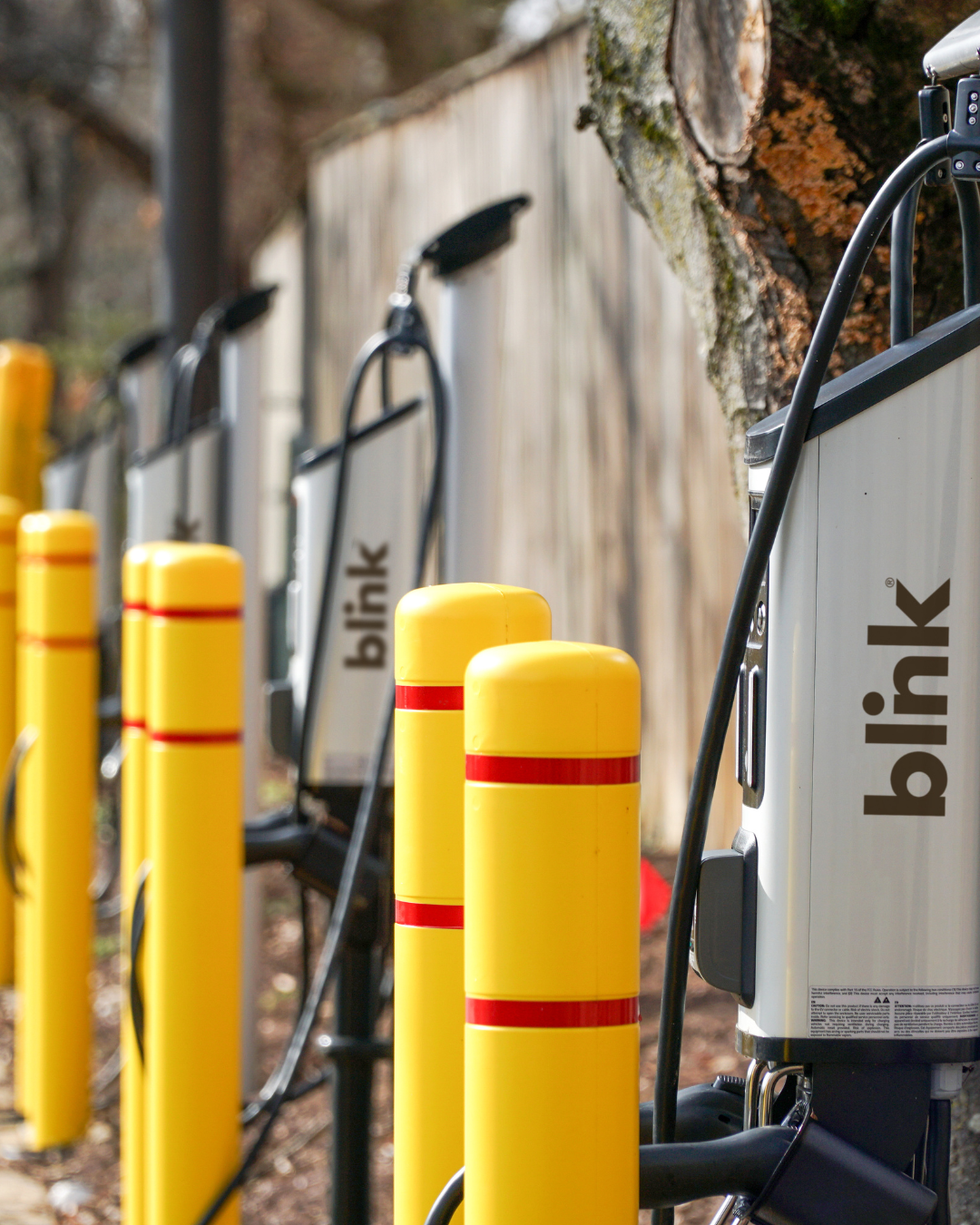

Parking facilities are in an optimal position to take advantage of the ongoing transition to electric vehicles (EVs). Like drivers of internal combustion engine (ICE) vehicles, EV drivers need a place to park. Unlike ICE drivers, though, EV drivers can fuel while they park. And for companies offering parking as a service, adding electric vehicle charging is an obvious choice.
Define the Right Charging Strategy for Your Parking Facility
We often use the term “charging strategy” when discussing businesses that want to install EV chargers on their premises. And a charging strategy is simply a plan that addresses:
your budget,
how many chargers you want to install,
whether those chargers are Level 2 (L2) or Direct Current Fast Chargers (DCFCs), or a mix of both,
how much electrical upgrading you have to do, if any, to host your chosen number and type of charges, and
how prepared you want to be for EV charging expansion in the future.
EV charging demand
To develop your charging strategy, it helps to know what the demand is for EV charging in your area. This is something Blink can help you figure out, as we have resources that monitor EV adoption. It’s fairly easy to find EV adoption rates for the United States as a whole and for individual states by using the U.S. Department of Energy’s Alternative Fuels Data Center. You can check with your state and municipal government to see if they have statistics about EV adoption in your specific region, which may help you determine how many chargers to install and what type.
If your parking facility is in a state with high adoption, like California, Florida, New York, or Texas, then the demand is already there. If it’s located in a state with low adoption, then starting off slowly with a couple of chargers will attract the EV drivers who do reside there and will give you a headstart on other local parking facilities that may not be bothering with installation yet due to perceived low demand.
L2 or DCFC?
Deciding what type of chargers to install is also going to depend on the demand and your current electrical infrastructure and what potential upgrades you may need. If you opt for exclusively L2 chargers, then your parking facility likely won’t require any electrical upgrades, as L2 chargers run on standard 240 or 208 voltage that is found in most businesses.
If you want to install DCFCs, which require 480V input power, then you will need to consider the possibility of upgrading your electrical capacity.
Interior parking facilities, such as those attached to a building, like an arena, or under a building, will likely have a hefty HVAC system installed. Since these systems require a large electrical capacity to work, there is a good chance your parking facility will already have the necessary electrical infrastructure to handle DCFCs.
Installation Considerations That Impact Long-Term Costs
In addition to deciding what type of chargers you want to install, which will obviously affect cost, other decisions you make will impact how much you pay for your EV infrastructure installation now, and also in the future.